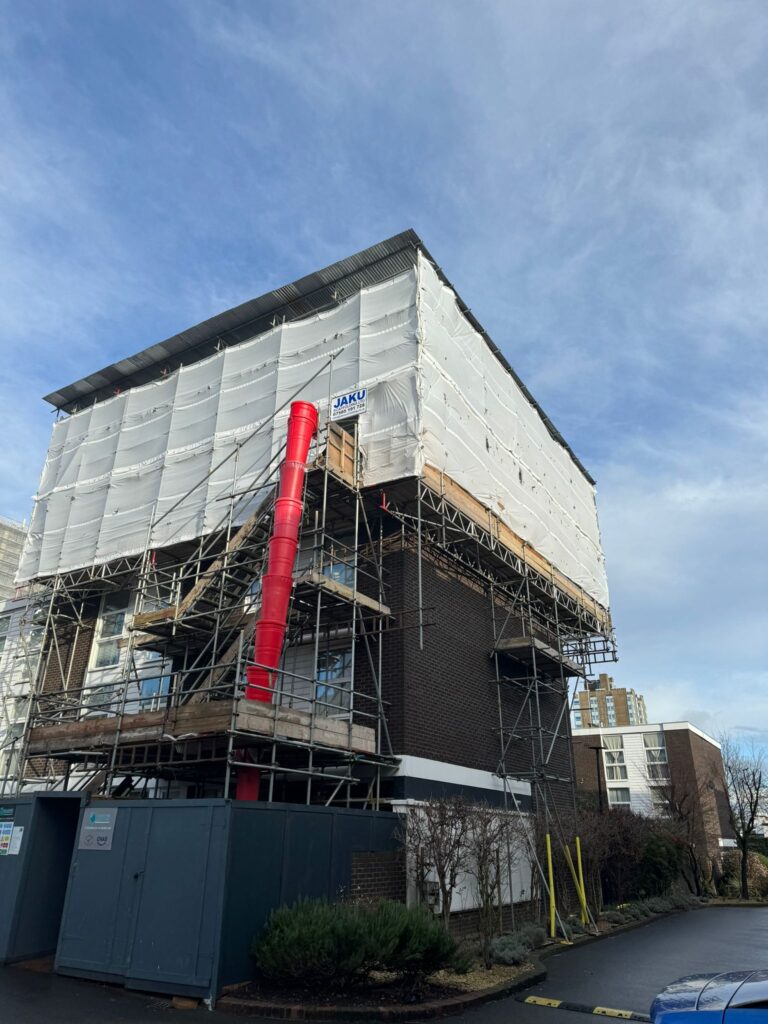

How Long Does It Take to Erect Scaffolding
Erecting scaffolding is a structured process that requires planning, care and expertise. It is not about rushing to get poles in the air — the scaffold must be stable, compliant, and built exactly to the agreed design. For this reason, the time required varies from project to project.
Several key factors influence how long scaffold erection takes:
1. Size and Complexity of the Building
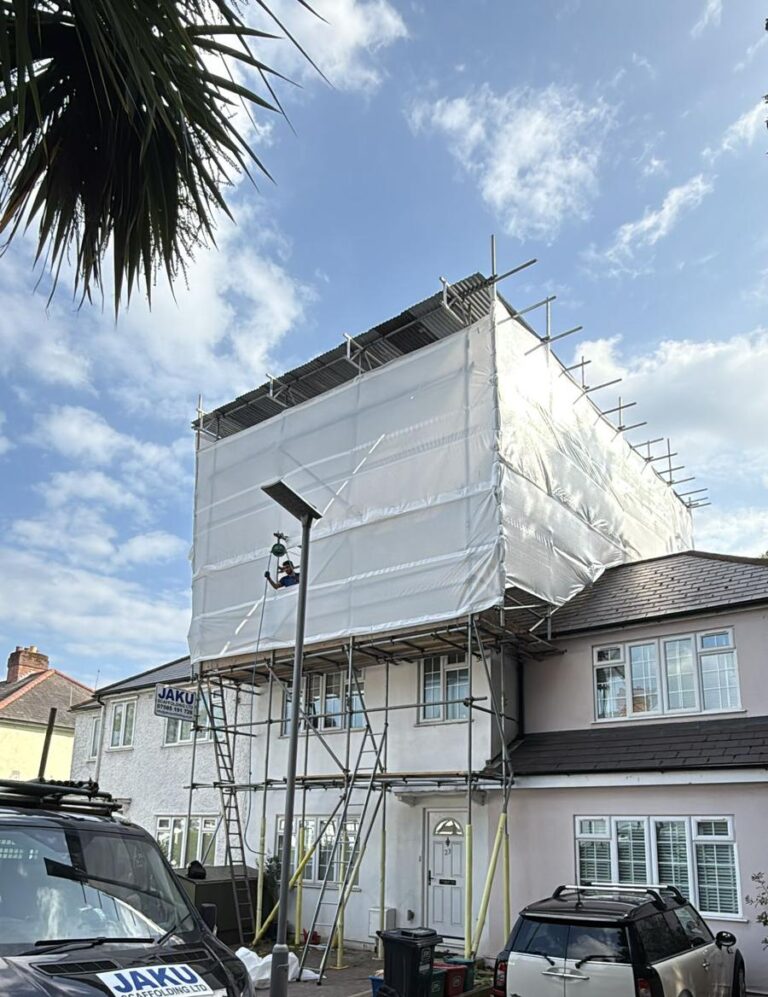
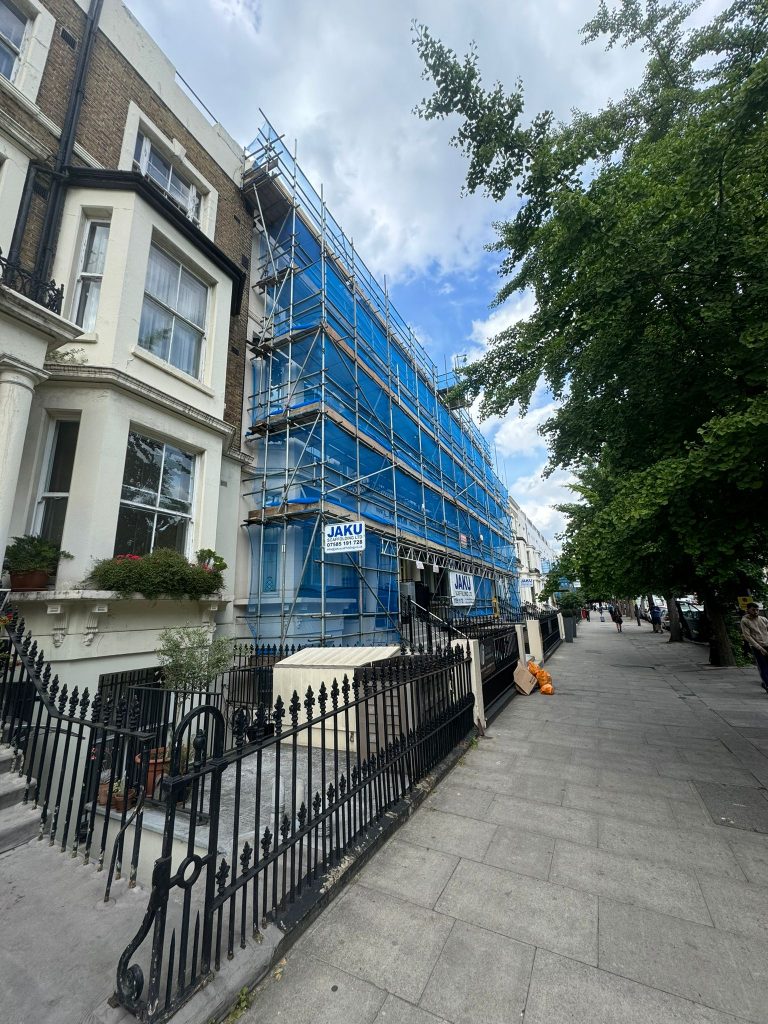
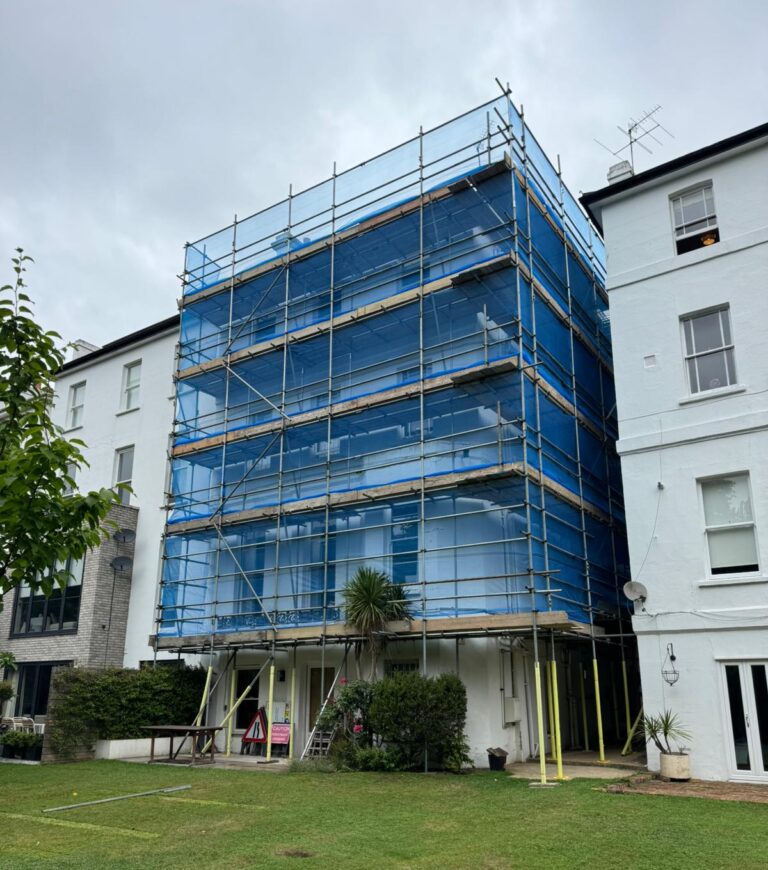
A simple elevation naturally takes less time than a full wrap-around scaffold or a structure involving multiple levels, extensions, awkward rooflines, or areas that require bridging. The more complex the layout, the more detailed the build.
2. Type of Scaffolding Required
Different scaffolding systems have different setup demands:
- Tube and fitting is highly adaptable and used frequently for complex or irregular buildings.
- System scaffolding can be more efficient on uniform structures.
- Temporary roofs require additional beams, bracing and protective coverings.
The chosen system affects the overall programme of work.
3. Access and Site Conditions
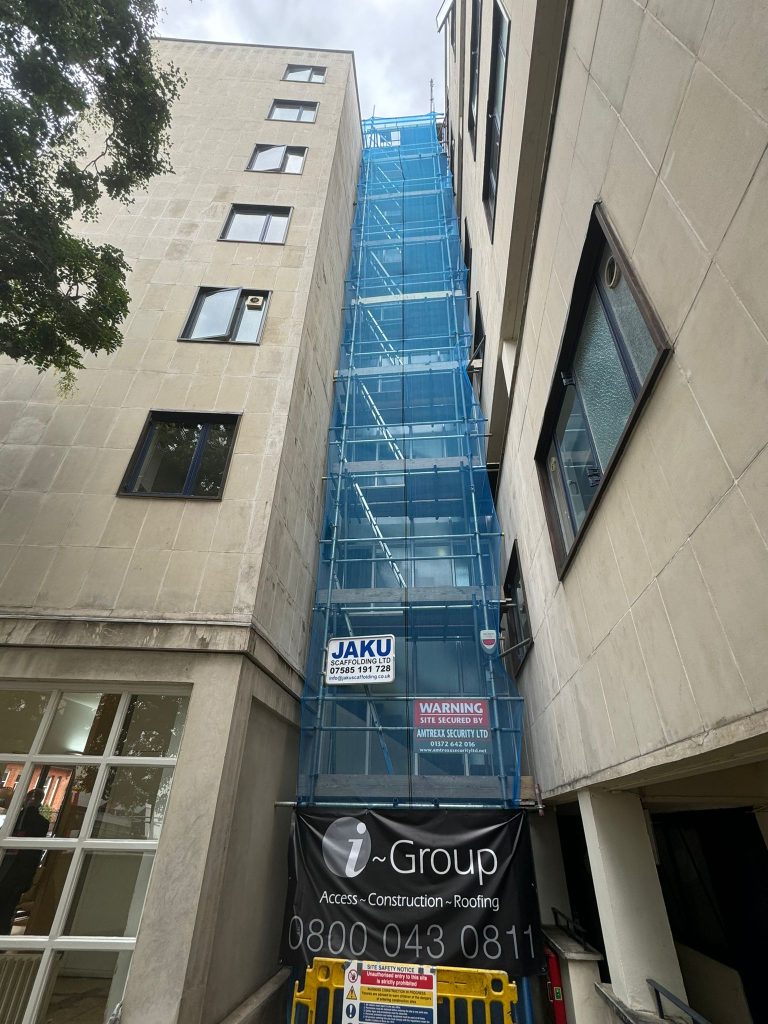
Access is often a major factor, especially in London where rear access may be limited, streets are narrow, and materials may need to be carried through restricted areas. Ground preparation, storage areas, parked vehicles and neighbouring properties can also influence the erection sequence.
4. Team Size and Experience
A well-trained scaffolding team will naturally progress more efficiently. Their ability to follow TG20 and SG4 guidance, foresee challenges, and work in a coordinated way helps reduce unnecessary delays.
5. Weather Conditions
Scaffolding erection is heavily affected by weather.
In London, rain and wind are the most common causes of slowdowns. Slippery surfaces, limited visibility and strong gusts can temporarily pause work for safety. Flexible planning is important to manage these conditions realistically.
How Long Does It Take to Take Scaffolding Down?
Dismantling scaffolding is generally quicker than erecting it, but still requires careful control. The team already understands the structure’s layout, tie positions, and working lifts, which allows the removal process to flow more smoothly.
Why Dismantling Is Usually Faster
- Less setting-out work is required.
- Scaffolders are familiar with the installed structure.
- Components are removed and stacked, not configured and adjusted.
Although dismantling is more straightforward, it must still be carried out in a specific sequence to keep the structure stable until the final moments.
Important Safety Considerations During Dismantling
- Ties and supports must never be removed early.
- Platforms must remain safe to stand on until dismantled.
- Protection must be maintained for the public and other trades.
- Any changes made during the hire period must be checked before dismantling begins.
Common Delays Affecting Scaffold Removal
Even though removal is faster, the following issues can add time:
- Poor weather conditions
- Other trades working near or under the scaffold
- Restricted access or limited space for loading
- Material obstructions, skips, or stored items
- Traffic and parking limitations
- Permit or licensing restrictions
- Additional safety checks if the scaffold has been altered
- The need to dismantle in stages to suit the client’s programme
Effective communication with the client or main contractor helps prevent these delays.
Other Factors That Influence Scaffolding Timelines
Whether you require scaffolding hire for a house renovation, a commercial project or a large development, several elements can impact the overall timeline for both erection and dismantling:
- Local authority permits (pavement, highway or hoarding licences)
- Design and engineering requirements
- Access arrangements for delivery vehicles
- Coordination with other trades
- Environmental restrictions (noise, working hours, conservation areas)
- Site preparation and ground conditions
- Health and safety inspections
This is why scaffolding should always be considered as part of the wider construction schedule — not treated as an afterthought.
Frequently Asked Questions (FAQ)
How far in advance should I book scaffolding hire?
It’s best to book once you know your project start date. Projects involving permits, temporary roofs or multiple elevations require earlier planning.
Do I need a permit for scaffolding outside my property?
Yes, if any part of the scaffold sits on a pavement, road or public space. Jaku Scaffolding can arrange this with the relevant London borough.
Can scaffolding be erected in bad weather?
Scaffolding can continue in light weather conditions, but heavy rain, strong winds or slippery surfaces may cause temporary pauses for safety reasons.
Is dismantling included in scaffolding hire?
Yes. Both erection and dismantling are included in Jaku Scaffolding’s hire service unless stated otherwise.
Can scaffolding be altered or extended after it’s put up?
Yes, but only by qualified scaffolders following the proper design and safety requirements.
What if my project takes longer than expected?
Scaffolding hire can be extended if needed. Jaku Scaffolding can adjust the hire period and schedule accordingly.
Who is responsible for safety inspections?
Inspections must be carried out by a competent person at regular intervals. Jaku Scaffolding provides inspections when required and ensures all work follows TG20 and SG4 guidance.
What areas do you cover?
Jaku Scaffolding provides scaffolding hire across London and surrounding areas.